
For FMCG brands, choosing between cocoa powder vs drinking chocolate is not a small decision. It affects product positioning, cost structure, labeling, and even long term brand perception. While both products come from cocoa beans, they serve very different purposes in the market.
At first glance, cocoa powder vs drinking chocolate may look like a simple comparison. However, once you look deeper, you will see differences in formulation, consumer expectations, and usage. Understanding these differences helps FMCG brands create products that sell well and stay competitive.
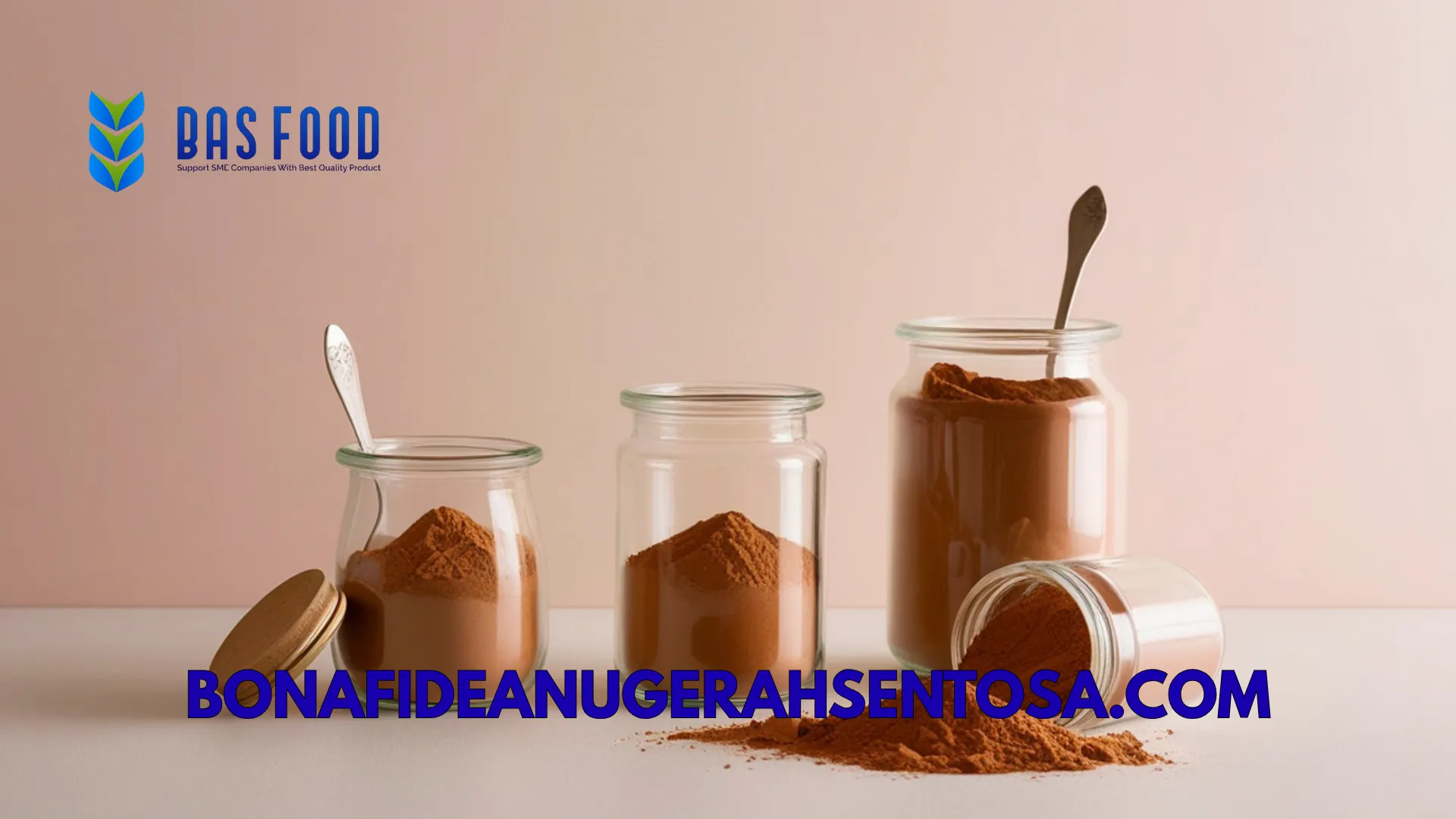
What Is Cocoa Powder? A Simple Explanation
Cocoa powder is made by grinding cocoa cake after most of the cocoa butter has been removed. As a result, it is dry, fine, and rich in cocoa solids. It has a strong chocolate flavor with little to no sweetness.
Because cocoa powder is versatile, it is widely used in baking, beverages, confectionery, and dairy products. FMCG brands like it because it allows full control over sugar, fat, and flavor intensity.
What Is Drinking Chocolate? More Than Just Cocoa
Drinking chocolate is a ready to mix product made from cocoa powder combined with sugar, and sometimes milk powder or flavoring. It is designed for convenience and taste rather than flexibility.
Unlike pure cocoa powder, drinking chocolate targets end consumers directly. The flavor is smoother, sweeter, and easier to prepare. This makes it ideal for retail shelves and instant beverage markets.
Cocoa Powder vs Drinking Chocolate: Ingredient Differences
The biggest difference in cocoa powder vs drinking chocolate lies in the ingredient list. Cocoa powder usually contains only cocoa solids. In contrast, drinking chocolate can include sugar, creamer, stabilizers, and flavor enhancers.
For FMCG brands, this difference matters a lot. Cocoa powder fits clean label or health focused products, while drinking chocolate works better for mass market and indulgent products.
Flavor Profile and Consumer Expectations
Cocoa powder delivers a deep, intense cocoa taste. It can be bitter if not balanced properly. Therefore, it is preferred by manufacturers who want full control over flavor formulation.
Drinking chocolate, on the other hand, is designed to taste good instantly. Consumers expect sweetness and smoothness. This makes it easier to market but less flexible for product development.
Application in FMCG Product Development
When it comes to applications, cocoa powder is a favorite for FMCG brands producing biscuits, cakes, ice cream, protein drinks, and chocolate flavored snacks. It adapts well across categories.
Drinking chocolate is mostly used for instant beverage products. It can also be repackaged into sachets, jars, or vending machine mixes. Therefore, FMCG brands must decide whether they want flexibility or convenience.
Cost Structure and Pricing Strategy
Cocoa powder usually has a higher price per kilogram because it is a raw ingredient with high cocoa content. However, brands can control final product cost by adjusting formulations. Drinks chocolate often looks cheaper upfront. Yet, the added sugar and ingredients reduce cocoa concentration. For premium brands, this can be a drawback in terms of perceived value.
Health Positioning and Labeling Considerations
Health conscious consumers often prefer cocoa powder products because they contain less sugar. This supports claims like low sugar, high antioxidant, or natural cocoa.
In contrast, drinking chocolate is harder to position as healthy. However, it performs well in family and kids segments where taste is the main driver.
Supply Chain and Sourcing Factors
From a sourcing perspective, cocoa powder requires reliable suppliers who understand consistency, fat content, and flavor profile. This is crucial for FMCG brands operating at scale.
CV Bonafide Anugerah Sentosa plays an important role here. As a trusted supplier and producer of cocoa products, along with fishery, spices, and coconut products, the company supports FMCG brands with stable supply and export ready standards.
Shelf Life and Storage Differences
Cocoa powder has a long shelf life when stored properly. It is less sensitive to moisture and temperature compared to drinking chocolate blends.
Drinking chocolate, because of added ingredients, may require stricter storage conditions. FMCG brands must factor this into logistics and retail planning.
Market Trends Driving Product Choice
Global trends show rising demand for clean label and functional foods. This trend favors cocoa powder based products. Consumers want to know what they are consuming.
At the same time, convenience remains strong in emerging markets. Drinking chocolate continues to grow in ready to drink and instant beverage segments.
Sustainability and Ethical Sourcing
Sustainability is now a key factor in cocoa sourcing. Brands using cocoa powder often highlight origin, traceability, and ethical farming.
CV Bonafide Anugerah Sentosa supports this shift by working closely with responsible producers. This helps FMCG brands align with sustainability goals while maintaining product quality.
Cocoa Powder vs Drinking Chocolate for Brand Positioning
Premium brands often choose cocoa powder to showcase authenticity and craftsmanship. It allows storytelling around cocoa origin and processing.
Mass market brands usually prefer drinking chocolate. It is easier to standardize and appeals to a wider audience. Choosing the right option depends on brand identity.
Export Market Preferences
In export markets like Europe and the USA, cocoa powder is often preferred for industrial use. Regulations and labeling standards also support simpler ingredient lists.
Drinking chocolate performs well in Asia and developing markets where instant beverages are popular. FMCG brands exporting globally should consider regional preferences.
How to Choose the Right Option for Your FMCG Brand
There is no single correct answer in the cocoa powder vs drinking chocolate debate. The right choice depends on target market, pricing, positioning, and product format.
Working with experienced suppliers like CV Bonafide Anugerah Sentosa helps brands evaluate options properly. With expertise in cocoa, fishery, spices, and coconut products, they support FMCG brands from sourcing to export.
Final Thoughts
Understanding cocoa powder vs drinking chocolate is essential for FMCG brands that want to grow sustainably. Each option serves a different purpose and market need. By choosing wisely and partnering with trusted suppliers, brands can build products that meet consumer expectations and business goals.
Contact CV Bonafide Anugerah Sentosa how we can provide the best solutions for you. WhatsApp: +62 8213 4505 737, Email: info@bonafideanugerahsentosa.com / bas.mdir@gmail.com.