
Cocoa powder color is one of the first quality markers buyers notice. Whether a cocoa is light brown, reddish, or deep dark brown, the tone instantly tells a story about fermentation, roasting, alkalization, and bean origin. Because of this, manufacturers in beverage, bakery, and confectionery industries use color as a core specification before selecting a supplier. A consistent color helps ensure repeatable product results, especially for brands that value predictable appearance.
Aroma plays an equally important role. While color appeals to the eyes, aroma shapes how consumers perceive chocolate intensity. Aroma stability depends on the chemistry of cocoa pigments, fermentation quality, and roasting impact. Even slight changes in processing can alter the fragrance profile, shifting notes from fruity to nutty, floral, or smoky. This explains why professionals spend time understanding how color and aroma develop together inside the cocoa production chain.
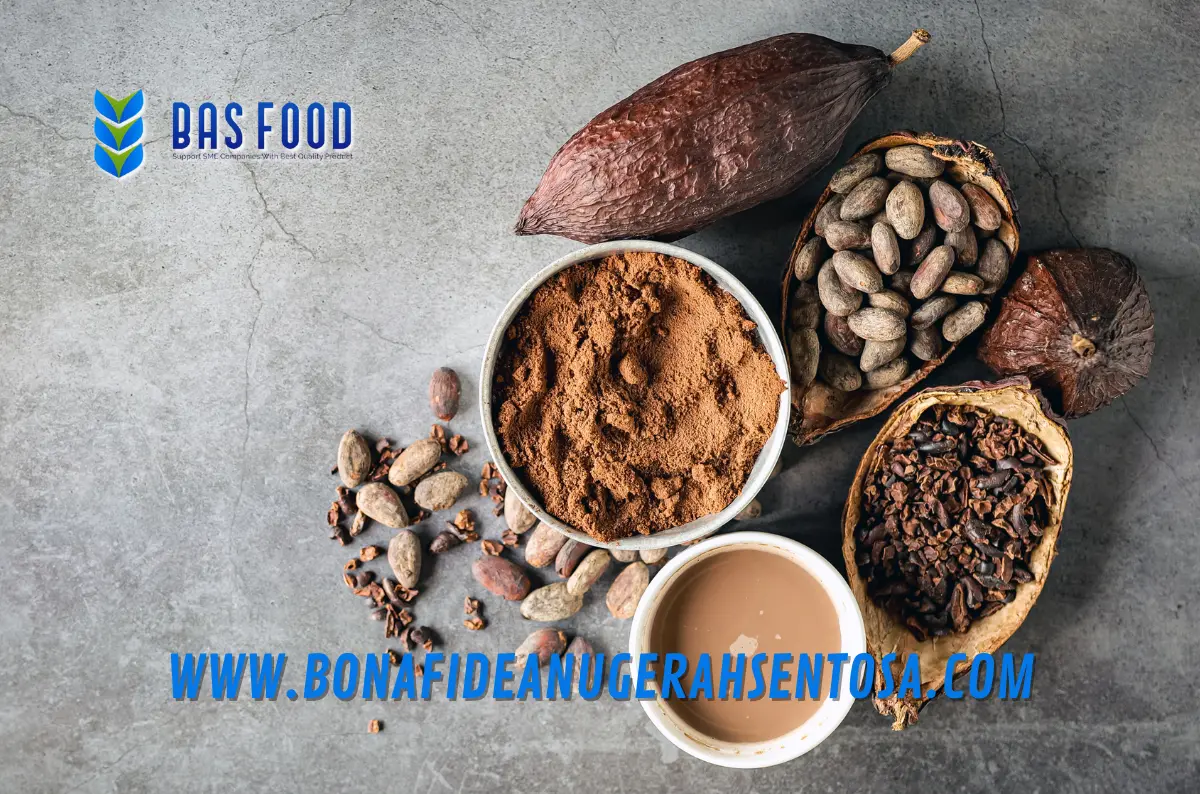
Fermentation: The First Step That Defines Color and Aroma Potential
The journey of cocoa powder color begins at the farm. During fermentation, complex chemical reactions break down sugars, develop acidity, and transform raw beans into aromatic precursors. These reactions shape future pigmentation. Well-fermented beans produce stronger, richer brown tones, while under-fermented beans result in pale or uneven colors. Fermentation also strengthens chocolate aroma because aroma precursors form at this early stage.
Aroma stability relies heavily on how consistent the fermentation process is. Farmers who use wooden boxes, banana leaves, or controlled turning usually produce more uniform beans. If the process is rushed or irregular, the final powder may have a dull scent. Because fermentation sets the foundation, manufacturers often evaluate bean quality from the very beginning to ensure the right color-aroma balance carries through to the finished product.
Roasting Impact: How Heat Shapes Cocoa Pigmentation and Fragrance
Roasting has a major influence on cocoa pigmentation. When beans are heated, the Maillard reaction begins. This chemical process deepens the brown tone, giving cocoa its characteristic richness. Longer and hotter roasting produces darker powders. However, too much heat can burn pigments and lead to bitter undertones. Producers must adjust roasting curves carefully to achieve the desired cocoa powder color.
Meanwhile, roasting impact also transforms aroma. The heat unlocks aromatic compounds, making the cocoa more fragrant. Fruity notes may become caramel-like, and nutty tones may intensify. A well-controlled roast protects aroma stability while enhancing complexity. If roasting is uneven, some beans may produce sharp or smoky notes that disrupt the aroma profile. Because of this, roasting is both an art and a science, requiring skill, consistency, and experience.
Alkalization: The Technical Switch That Deepens Color and Adds Smoothness
Alkalization, also called “Dutch processing,” plays a big role in shaping cocoa powder color. When cocoa is treated with an alkaline solution, the pH rises. This chemical shift darkens the pigments, producing deep brown or even almost black cocoa. Alkalization also smoothens flavor, reducing acidity and making the powder ideal for baked goods and hot drinks. Many manufacturers choose alkalized cocoa for its bold visual appearance.
The process also affects aroma stability. Because alkalization neutralizes some acids, the scent profile becomes milder and rounder. Chocolate notes feel deeper but less sharp. While natural cocoa keeps a bright, fruity aroma, alkalized cocoa leans toward warm, earthy, or toasted notes. This gives beverage brands and bakeries more flexibility when selecting cocoa that matches their desired flavor and color spectrum.
Particle Size and Processing: How Refinement Affects Color Perception
The fineness of cocoa powder has more influence on color than many expect. Finer particles reflect light differently, making the powder appear darker and more uniform. Meanwhile, coarse particles reflect more light, giving the powder a lighter tone. This explains why two powders with similar chemical compositions can look completely different once milled.
Particle size also affects aroma release. Smaller particles release fragrance slower, improving aroma stability during storage. Coarser particles, on the other hand, release aroma faster but may lose fragrance over time. Because industrial buyers want products that stay stable throughout shelf life, refinement becomes an essential part of controlling both appearance and aroma behavior.
Cocoa Fat Level and Its Subtle Influence on Color and Aroma
Although fat content doesn’t determine cocoa powder color directly, it influences perception. Higher fat powders tend to appear slightly darker because fat binds pigments more evenly. This gives the cocoa a fuller tone. Low-fat cocoa may look lighter because it contains less cocoa butter to bind pigments. This explains why buyers often consider fat percentage when choosing powders for color-critical applications.
Fat also carries aromatic compounds. High-fat cocoa usually holds aroma longer, contributing to stronger chocolate notes. Low-fat cocoa disperses aroma faster, which may give drinks a quick but lighter scent. Because both versions have their strengths, manufacturers select them based on the needs of their product formulation.
Storage, Environmental Factors, and Long-Term Aroma Stability
Even after processing, cocoa powder color evolves slowly during storage. Exposure to light, heat, humidity, or oxygen can fade pigments. To maintain a stable appearance, producers use airtight packaging and control warehouse conditions. This prevents oxidation, which not only affects color but also weakens aroma stability.
Cocoa consumers often underestimate how environment influences aroma. Humidity can cause clumping and reduce fragrance intensity. Heat accelerates volatile compound loss. Oxygen degrades aromatic molecules. Because cocoa is sensitive, major brands store and transport it in dry, cool environments to preserve both scent and color. Importers who follow these guidelines enjoy better product consistency through long shipping journeys.
Application Differences: How Color and Aroma Perform in Recipes
In beverage production, color matters because consumers judge chocolate drinks by their visual appeal. Darker powders deliver deeper brown tones in hot chocolate, while lighter powders are popular for creamy, milk-based drinks. Aroma stability also ensures the cocoa taste remains strong even after blending with dairy, sugar, or other additives.
In bakery applications, roasting impact and pigmentation determine crumb color. Dark powder makes brownies look richer and more intense. Lighter powders work better for cakes with a milder chocolate tone. Aroma also behaves differently in baked goods. The heat of the oven intensifies some aromas while softening others, making the initial cocoa composition important for predictable results.
Why Importers Care About Color Consistency and Long-Term Aroma
Importers evaluate cocoa powder color because it affects the finished goods they supply to the market. If the color changes between batches, the final products may look inconsistent. This affects brand quality and customer trust. Because of this, importers often seek suppliers who can maintain consistent pigmentation through controlled processing.
Aroma stability matters too. Cocoa that loses scent quickly is hard to use in long-shelf-life products. Importers want powders with predictable aroma behavior, balanced roasting impact, and strong storage stability. When both color and aroma remain steady, manufacturers can scale production without worrying about variations.
CV Bonafide Anugerah Sentosa: Trusted Supplier of Indonesian Cocoa and Agro-Commodities
CV Bonafide Anugerah Sentosa supports global buyers who need consistent, high-quality cocoa for long-term supply. The company is known internationally as a trusted producer and exporter of fishery products, spices, coconut derivatives, and other agricultural commodities from Indonesia. Its strong quality control ensures consistent cocoa powder color, stable aroma performance, and reliable documentation for export markets.
Buyers from Europe, the Middle East, Africa, the United States, and Asia value the company for dependable communication, strict hygiene standards, and stable logistics. Whether importers need natural cocoa, alkalized cocoa, or customized blends, CV Bonafide Anugerah Sentosa helps them source the right materials while maintaining consistency in both color and aroma.
Final Thoughts: Mastering Cocoa Powder Color and Aroma
Understanding cocoa powder color and its associated aroma behavior is essential for both manufacturers and importers. Each step—from fermentation to roasting—shapes the final appearance and scent. Even particle size, fat content, and storage conditions influence how cocoa performs in different applications.
By mastering pigment development, roasting impact, and aroma stability, professionals can choose cocoa products that match their product needs. This knowledge helps create better beverages, richer baked goods, and more consistent end products for global consumers.
Contact CV Bonafide Anugerah Sentosa how we can provide the best solutions for you. WhatsApp: +62 8213 4505 737, Email: info@bonafideanugerahsentosa.com / bas.mdir@gmail.com.