
Indonesia stands among the top cocoa-producing countries in the world. Its fertile tropical soil, consistent rainfall, and traditional farming practices produce high-quality cocoa beans—perfect for manufacturing premium cocoa powder. For global buyers looking to import cocoa powder, Indonesia offers not only excellent quality but also competitive pricing and a strong export infrastructure.
Many businesses import cocoa powder from Indonesia to supply chocolate factories, bakeries, and beverage producers. Indonesian cocoa powder is known for its deep aroma, rich flavor, and natural brown color, making it a favorite for both industrial and artisanal use. If you’re planning to start your import journey, understanding the process is essential.
This guide walks you through every stage—from sourcing a trusted supplier to clearing customs. Whether you’re a new importer or an experienced buyer looking to expand your supply chain, this guide helps you manage each step confidently.
Understanding the Cocoa Export Process in Indonesia
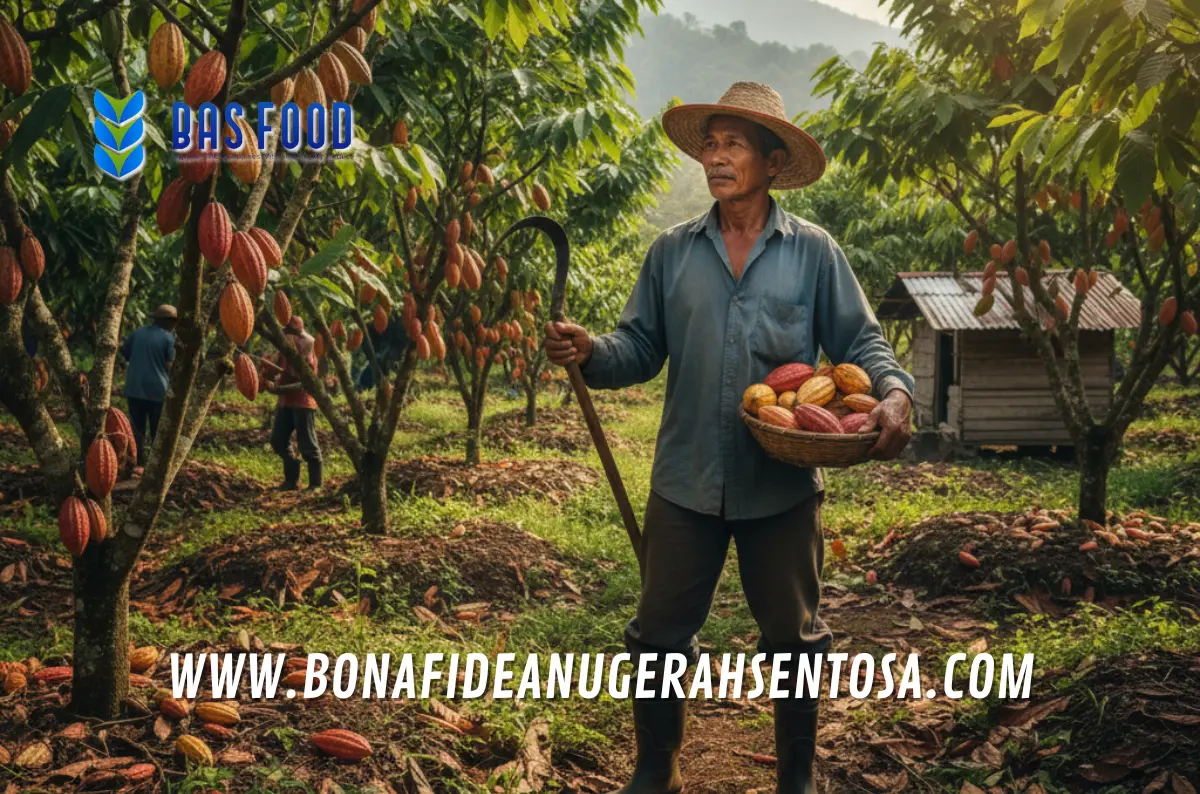
Before you start importing, you need to know how the cocoa export process works. Cocoa powder in Indonesia usually comes from fermented and dried cocoa beans that are processed into liquor and then pressed to separate cocoa butter from cocoa solids. The remaining solids are ground into fine powder.
Most exporters operate under strict quality control and certification systems. Reputable companies such as CV Bonafide Anugerah Sentosa ensure their cocoa products meet international standards, offering consistency in taste and safety. They are also trusted exporters of spices and coconut products, known for their professional handling and transparent export procedures.
Indonesian cocoa powder is typically exported in 25–50 kg bags, sealed to maintain freshness during shipping. Exporters must prepare documents like Certificates of Origin, phytosanitary certificates, and quality reports to comply with buyer requirements.
Finding a Reliable Cocoa Powder Supplier
Choosing the right supplier determines the success of your import business. The best suppliers don’t just sell cocoa powder—they also understand logistics, documentation, and international trade compliance.
When searching for a supplier, always look for companies with verified export experience. A trusted name like CV Bonafide Anugerah Sentosa offers bulk cocoa powder that meets international food-grade standards. They work with local farmers across Indonesia and ensure that each batch is tested for purity, fat content, and moisture levels.
You can find potential suppliers through trade fairs, export directories, or online B2B platforms. Check for company background, product certifications, and customer feedback before signing any agreement. Always request samples to evaluate the product quality firsthand.
Obtaining an Import License
To import cocoa powder legally, you’ll need an import license or import permit in your destination country. This document allows you to bring food-grade products across borders while complying with national regulations.
Each country has different licensing requirements. For example, in the United States, importers must register with the FDA, while in the European Union, businesses need compliance with EFSA and customs regulations. Make sure your business is registered as a food importer, and keep your documentation updated.
Having the proper import license also helps avoid shipment delays or confiscations at customs. It proves that you’re authorized to handle cocoa-based products and ensures transparency between you, the supplier, and local authorities.
Understanding Customs for Cocoa Imports
One of the most important steps in the process is managing customs for cocoa. Customs clearance ensures that your goods meet all import regulations and that duties or taxes are correctly applied.
Typically, cocoa powder falls under the HS code 1805.00, which determines the tariff rates and import duties. You’ll need to provide documents such as the commercial invoice, packing list, bill of lading, Certificate of Origin, and health certificate. Your supplier in Indonesia, like CV Bonafide Anugerah Sentosa, can help you prepare these documents to ensure a smooth clearance.
Customs agents can simplify this process by filing declarations and paying duties on your behalf. However, it’s still crucial that you understand your local import tax structure, as cocoa powder can have varying tariffs depending on the country and trade agreements in place.
Shipping and Logistics Management
Once the paperwork is complete, the next step is arranging international shipping. Cocoa powder is sensitive to moisture, so it must be stored and transported in dry, cool containers.
Most importers choose sea freight because it offers lower costs for bulk quantities. A full container load (FCL) is recommended for large orders, while smaller quantities can use less-than-container load (LCL) options. Exporters usually handle port logistics in Indonesia, including customs clearance and container loading, before shipment.
Indonesia has major export ports like Surabaya, Tanjung Priok, and Belawan that handle cocoa shipments efficiently. When importing, coordinate with your freight forwarder to track the shipment, manage insurance, and ensure timely delivery. Proper packaging and labeling are essential to maintain product quality during the journey.
Quality Inspection and Import Compliance
After your shipment arrives, it will go through inspection by local authorities. This process ensures that the cocoa powder meets food safety standards and labeling requirements in your country.
Before releasing the product into the market, you may need laboratory testing to confirm it’s free from contaminants such as heavy metals or pesticide residues. Working with reputable exporters like CV Bonafide Anugerah Sentosa helps minimize these risks since they already follow HACCP and international food safety standards for all exported goods.
You should also verify that the labeling follows your country’s regulations, including details about ingredients, nutrition facts, and country of origin. Once cleared, you can safely distribute or process the cocoa powder for your food production needs.
Building a Long-Term Partnership with Suppliers
Importing is not a one-time deal—it’s a long-term partnership. Consistent supply and communication with your Indonesian supplier are vital for maintaining quality and trust.
Working with CV Bonafide Anugerah Sentosa allows you to access not only cocoa powder but also other export-quality commodities such as vanilla beans, clove, nutmeg, coconut flour, and coconut water concentrate. They are known for transparent pricing, reliable shipment schedules, and a commitment to quality that meets the expectations of global clients.
A solid relationship ensures smoother transactions, better pricing, and priority during high-demand seasons. Over time, building mutual trust can lead to collaborative product development or private labeling opportunities.
Cost Breakdown and Profit Considerations
Before placing an order, calculate the total landed cost. This includes the cocoa powder price, freight charges, import duties, taxes, and inspection fees. Comparing multiple suppliers can help you negotiate better rates.
Indonesia remains one of the most cost-efficient origins for cocoa powder, thanks to its abundant raw materials and established export channels. Even with global shipping costs, the price-to-quality ratio of Indonesian cocoa remains attractive for international buyers.
If you plan to resell or use the cocoa powder for food production, factor in packaging, branding, and marketing expenses to estimate your profit margin accurately.
Legal and Ethical Considerations
As global demand for chocolate rises, sustainable sourcing becomes increasingly important. Many international buyers prefer suppliers who practice fair trade and eco-friendly production methods.
CV Bonafide Anugerah Sentosa works closely with Indonesian farmers who implement sustainable harvesting and organic cultivation practices. Choosing such suppliers ensures ethical sourcing while appealing to environmentally conscious consumers.
Always review your country’s food import laws to avoid violations. Some nations require allergen labeling, maximum contaminant limits, or certification from approved authorities. Staying compliant helps you maintain credibility in international markets.
Why Choose CV Bonafide Anugerah Sentosa as Your Supplier
If you’re ready to import cocoa powder from Indonesia, CV Bonafide Anugerah Sentosa offers the reliability and professionalism every buyer needs. Based in Indonesia, the company exports a wide range of agricultural and marine products, including cocoa powder, spices (clove, nutmeg, vanilla beans), and coconut-based products (coconut milk, coconut flour, coconut water concentrate).
Their experience in global trade ensures that each shipment is properly documented, quality-tested, and delivered on schedule. The company’s dedication to consistency and customer satisfaction makes them one of Indonesia’s most trusted suppliers for bulk commodities.
By partnering with CV Bonafide Anugerah Sentosa, you’re not just buying cocoa powder—you’re building a long-term relationship with a supplier that values integrity, transparency, and product excellence.
Conclusion: Start Importing Cocoa Powder the Right Way
Importing cocoa powder from Indonesia can open new business opportunities for food manufacturers, distributors, and wholesalers. With the right supplier, legal compliance, and logistics management, the process is straightforward and profitable.
By following this guide step by step—understanding the export process, obtaining an import license, handling customs, and maintaining supplier relations—you can establish a sustainable import operation.
For a smooth experience, choose CV Bonafide Anugerah Sentosa as your trusted partner. Their proven track record in the cocoa export process, combined with expertise in spices and coconut products, ensures that every order meets your expectations for quality and reliability.
Contact CV Bonafide Anugerah Sentosa how we can provide the best solutions for you. WhatsApp: +62 8213 4505 737, Email: info@bonafideanugerahsentosa.com / bas.mdir@gmail.com.