
Virgin coconut oil continues to grow as one of the most demanded coconut-derived products in the international market. Buyers from the food, cosmetic, pharmaceutical, and wellness industries actively search for high-quality products that maintain freshness, purity, and long shelf life. However, many businesses often focus only on production quality and forget one critical factor: packaging. In reality, virgin coconut oil packaging plays a major role in maintaining product quality during storage, transportation, and export activities. Poor packaging can damage oil quality, reduce shelf life, and create serious problems during international shipping.
On the other hand, professional packaging helps protect the product, improve branding, and build buyer trust. Today, global importers are more selective when choosing suppliers. They not only evaluate the quality of the oil itself but also assess packaging durability, hygiene, sustainability, and export readiness. This is why understanding the right packaging solutions has become essential for every exporter and manufacturer.
This article explains everything about virgin coconut oil packaging, including packaging materials, bulk VCO packaging solutions, export packaging requirements, sustainability trends, storage recommendations, and packaging strategies for international markets.
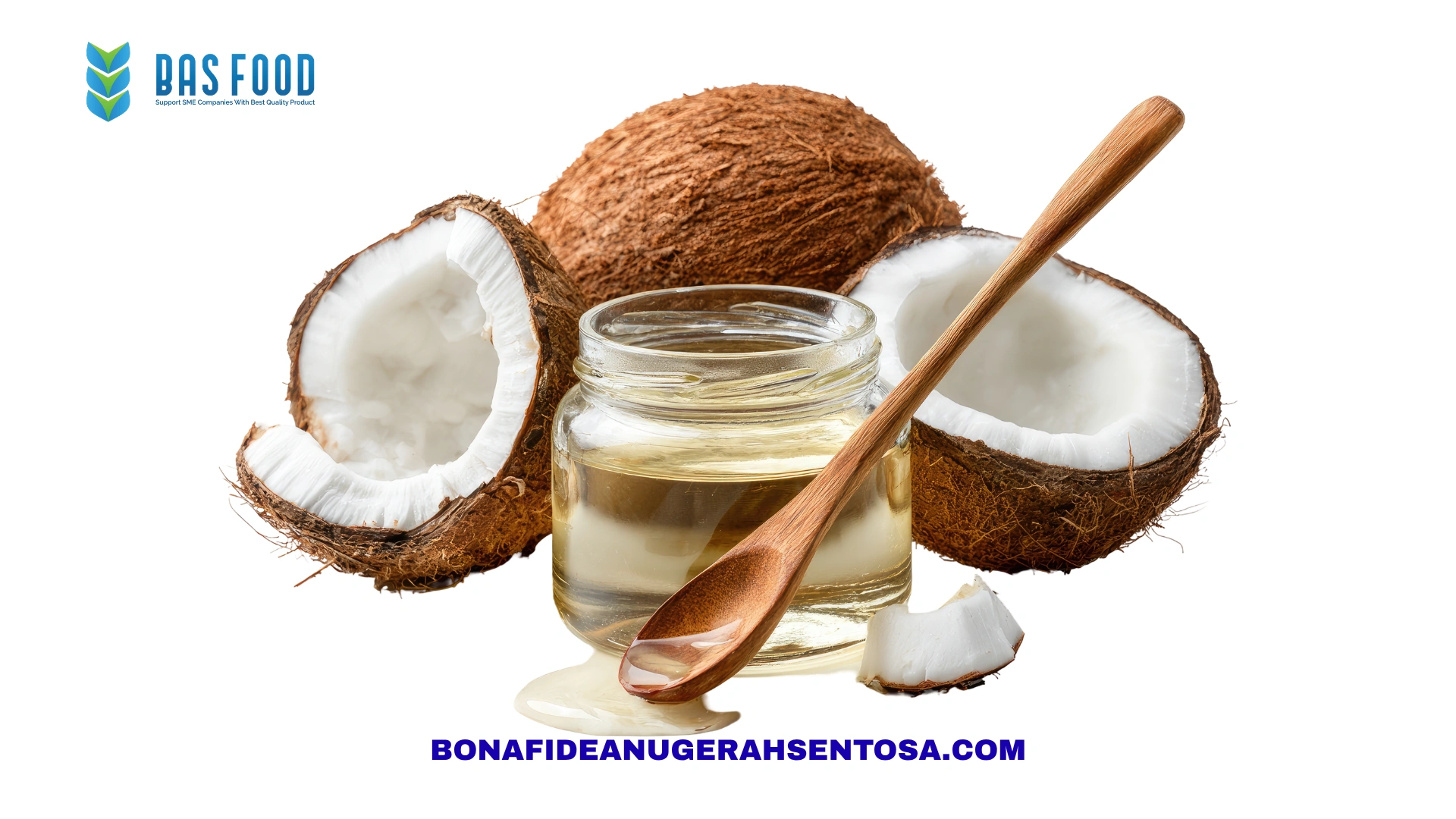
What Is Virgin Coconut Oil Packaging?
Virgin coconut oil packaging refers to the process of protecting, storing, and presenting virgin coconut oil using containers and materials designed to maintain product quality and safety.
Packaging does much more than simply hold the oil. It protects the product from contamination, oxidation, moisture, sunlight, temperature changes, and leakage during transportation. Proper packaging also helps maintain aroma, freshness, texture, and nutritional value.
For B2B exporters, packaging is an important part of supply chain management. International buyers expect products to arrive in perfect condition even after long shipping periods across countries and continents.
Virgin coconut oil packaging is commonly divided into several categories:
- Retail packaging
- Bulk packaging
- Industrial packaging
- Food service packaging
- Cosmetic-grade packaging
- Export packaging
Each type has different requirements depending on the target market and end-use application.
Why Packaging Matters in the Virgin Coconut Oil Industry
Packaging directly affects product quality and customer satisfaction. Even premium-quality virgin coconut oil can lose its value if packaging fails to protect the product properly.
One of the biggest challenges in coconut oil export is maintaining product stability during shipping. International transportation often involves long transit periods, temperature changes, and multiple handling processes. Without proper packaging, the oil may leak, oxidize, or become contaminated.
In addition, buyers often evaluate suppliers based on packaging professionalism. Attractive and durable packaging creates a positive impression and strengthens business credibility.
Professional virgin coconut oil packaging offers several important benefits:
- Protects product freshness
- Extends shelf life
- Prevents contamination
- Supports export compliance
- Reduces shipping damage
- Improves product appearance
- Enhances brand image
- Increases buyer confidence
As global competition becomes stronger, packaging quality can become a major factor that differentiates suppliers in the international market.
Understanding Bulk VCO Packaging Solutions
Bulk VCO packaging is widely used for industrial buyers, manufacturers, wholesalers, and private label companies. Instead of purchasing small retail bottles, these buyers usually import large quantities for further processing or repackaging.
Bulk packaging requires stronger materials and more efficient handling systems because the products often travel long distances.
Common Bulk Packaging Sizes
Bulk VCO packaging is available in several sizes depending on buyer needs and shipping methods.
Common packaging options include:
- 5-liter containers
- 20-liter jerry cans
- 25-liter HDPE drums
- 190-kilogram steel drums
- 1000-liter IBC tanks
Large industrial buyers often prefer steel drums or IBC tanks because they reduce packaging costs and improve shipping efficiency.
HDPE Containers for Bulk Packaging
HDPE containers are among the most popular choices for bulk virgin coconut oil packaging. They are lightweight, durable, and resistant to leakage.
Many exporters use food-grade HDPE packaging because it provides good protection during international shipping while remaining cost-effective.
Steel Drums for Export Markets
Steel drums are commonly used for export packaging because they offer excellent durability and product protection.
These drums can withstand rough handling during shipping and help maintain product quality during long transit periods.
However, exporters must ensure that the internal coating is food-safe and compatible with virgin coconut oil.
Best Materials for Virgin Coconut Oil Packaging
Selecting the right packaging material is essential because different materials offer different levels of protection, durability, and sustainability.
Glass Bottles
This bottles are popular for premium retail products because they provide excellent protection against chemical reactions and contamination.
Glass also creates a premium appearance that attracts health-conscious consumers and luxury skincare brands.
Advantages of glass packaging include:
- Non-reactive material
- Excellent product preservation
- Premium visual appearance
- Recyclable and eco-friendly
- Good oxygen barrier
However, glass bottles are heavier and more fragile than plastic containers, which can increase shipping costs.
PET Plastic Bottles
PET bottles are lightweight, affordable, and widely used in retail packaging.
Many exporters prefer PET packaging because it reduces transportation costs and minimizes breakage risks during shipping.
High-quality PET bottles can effectively protect virgin coconut oil when stored properly away from excessive heat and sunlight.
HDPE Containers
HDPE containers are commonly used for both bulk VCO packaging and industrial packaging applications.
These containers offer strong resistance to impact and leakage, making them ideal for export activities.
Aluminum Packaging
Some premium cosmetic brands use aluminum containers because they provide excellent light protection and modern product appearance.
Aluminum packaging also supports sustainability initiatives because it is highly recyclable.
Export Packaging Requirements for International Markets
Export packaging involves more than simply choosing a container. International shipments must follow specific standards to ensure safe transportation and import compliance.
Exporters that ignore packaging standards may face damaged shipments, customs problems, or rejected products.
Packaging Durability
Export packaging must withstand stacking pressure, vibration, humidity, and temperature fluctuations during shipping.
Strong packaging helps minimize leakage and transportation damage.
Food-Grade Materials
International buyers require food-safe packaging materials that comply with health and safety regulations.
Food-grade containers help prevent contamination and chemical migration into the oil.
Proper Labeling
Accurate labeling is very important in export packaging. Labels usually include:
- Product name
- Net weight
- Batch number
- Manufacturing date
- Expiration date
- Country of origin
- Storage instructions
Some countries also require additional regulatory information depending on import laws.
Leak Prevention Systems
Leakage is one of the most common problems in coconut oil exports. Suppliers must use secure caps, seals, liners, and tamper-proof systems to reduce risks during shipping.
Professional export packaging focuses heavily on leak prevention because damaged shipments can create significant financial losses.
How Packaging Affects Virgin Coconut Oil Shelf Life
Shelf life is one of the most important concerns for importers and distributors. Packaging quality directly affects how long virgin coconut oil remains fresh and stable.
Exposure to oxygen, sunlight, heat, and moisture can accelerate oxidation and reduce product quality.
Protection Against Oxidation
Oxidation can cause unpleasant odors and flavor changes. Proper packaging minimizes oxygen exposure and helps preserve freshness.
Dark-colored bottles and airtight containers are commonly used to reduce oxidation risks.
Temperature Stability
Virgin coconut oil naturally solidifies at lower temperatures and liquefies in warmer environments. Packaging must remain stable during these temperature changes.
Flexible and durable materials help prevent cracking or leakage.
Moisture Protection
Moisture contamination can reduce product stability and increase microbial risks. Well-sealed containers help maintain product safety throughout storage and transportation.
Sustainable Trends in Virgin Coconut Oil Packaging
Sustainability has become a major trend in global packaging industries. Many buyers now prefer environmentally responsible packaging solutions.
International brands increasingly seek suppliers that support sustainable packaging initiatives.
Recyclable Packaging Materials
Glass, aluminum, and certain plastic materials can be recycled and reused. Recyclable packaging helps reduce environmental impact.
Many exporters now include sustainability information on packaging labels to attract eco-conscious buyers.
Reduced Plastic Usage
Some companies are developing lightweight packaging systems to reduce plastic consumption and shipping emissions.
Flexible pouch systems are also becoming more popular in some retail markets.
Eco-Friendly Branding
Sustainable packaging improves brand image and helps products appeal to environmentally aware consumers.
Buyers in Europe and North America especially value eco-friendly packaging strategies.
Packaging Design and Branding Strategies
Packaging is not only functional. It is also an important marketing tool.
Professional packaging design helps products stand out in competitive markets and improves brand recognition.
Minimalist Design Trends
Many modern consumers prefer clean and simple packaging designs. Minimalist packaging often creates a premium and natural appearance.
Simple labels with clear information help improve customer trust.
Transparent Packaging
Clear packaging allows buyers to see product clarity and quality. This strategy is commonly used for premium virgin coconut oil products.
Private Label Packaging
Private label services are increasingly popular in international markets. Many importers seek suppliers that can provide customized packaging and branding solutions.
Private label packaging helps distributors launch products under their own brands while outsourcing production to reliable manufacturers.
Storage and Handling Best Practices
Proper storage is essential for maintaining virgin coconut oil quality after packaging.
Even the best packaging systems require good handling procedures.
Store Away From Sunlight
Direct sunlight can increase oxidation and reduce product stability. Exporters should store products in cool, dry environments.
Maintain Clean Warehouses
Clean storage facilities reduce contamination risks and support food safety compliance.
Monitor Shipping Conditions
Temperature and humidity monitoring during transportation help maintain export quality.
Professional logistics management reduces risks associated with long international shipping routes.
Common Packaging Problems and How to Avoid Them
Many exporters experience packaging issues that affect product quality and customer satisfaction.
Understanding common problems helps suppliers improve packaging performance.
Container Leakage
Leakage usually occurs due to weak caps, poor sealing systems, or low-quality containers.
Using high-quality closures and conducting leakage testing can significantly reduce this problem.
Bottle Deformation
Temperature fluctuations may deform low-quality plastic containers.
Exporters should select packaging materials suitable for international shipping conditions.
Label Damage
Labels may peel or fade during shipping if poor-quality adhesives are used.
Water-resistant labels improve durability during transportation and storage.
Packaging Contamination
Unclean packaging environments may introduce contaminants into the product.
Strict hygiene procedures are essential during packaging operations.
How to Choose the Right Virgin Coconut Oil Packaging Supplier
Reliable packaging suppliers play an important role in export success.
Businesses should evaluate suppliers carefully before making long-term agreements.
Assess Material Quality
High-quality materials provide better protection and improve product appearance.
Verify Food Safety Compliance
Suppliers should use food-grade materials that comply with international regulations.
Evaluate Production Capacity
Reliable suppliers must support consistent packaging availability for large export volumes.
Consider Customization Options
Custom packaging solutions help exporters meet buyer-specific requirements.
Future Innovations in Virgin Coconut Oil Packaging
Packaging technology continues evolving rapidly. Future innovations will focus on sustainability, efficiency, and smart packaging systems.
Several trends are expected to shape the future of virgin coconut oil packaging.
Smart Packaging Technology
Some companies are developing packaging systems that monitor temperature and product conditions during transportation.
Biodegradable Packaging
Eco-friendly biodegradable materials may become more common as sustainability regulations become stricter.
Lightweight Export Packaging
Reducing packaging weight can lower transportation costs and reduce environmental impact.
Digital Traceability Systems
QR codes and digital tracking systems help improve supply chain transparency and consumer trust.
Why Professional Packaging Creates Long-Term Export Success
In the global coconut industry, product quality and packaging quality work together. Even premium virgin coconut oil requires strong packaging systems to maintain freshness, safety, and customer satisfaction.
Professional virgin coconut oil packaging helps exporters protect products during transportation, improve branding, support sustainability goals, and meet international buyer expectations.
Today’s buyers are more selective than ever. They seek suppliers that can provide reliable bulk VCO packaging, durable export packaging, food safety compliance, and consistent quality standards.
Exporters that invest in professional packaging solutions gain stronger credibility and better opportunities in global markets. As demand for coconut products continues growing worldwide, packaging will remain one of the most important factors in long-term business success.